

The latest news on healthcare and wellness
Provided by AGP
Bierman Autism Centers Tests New ABA Curriculum Built to Help Children Make Faster Progress

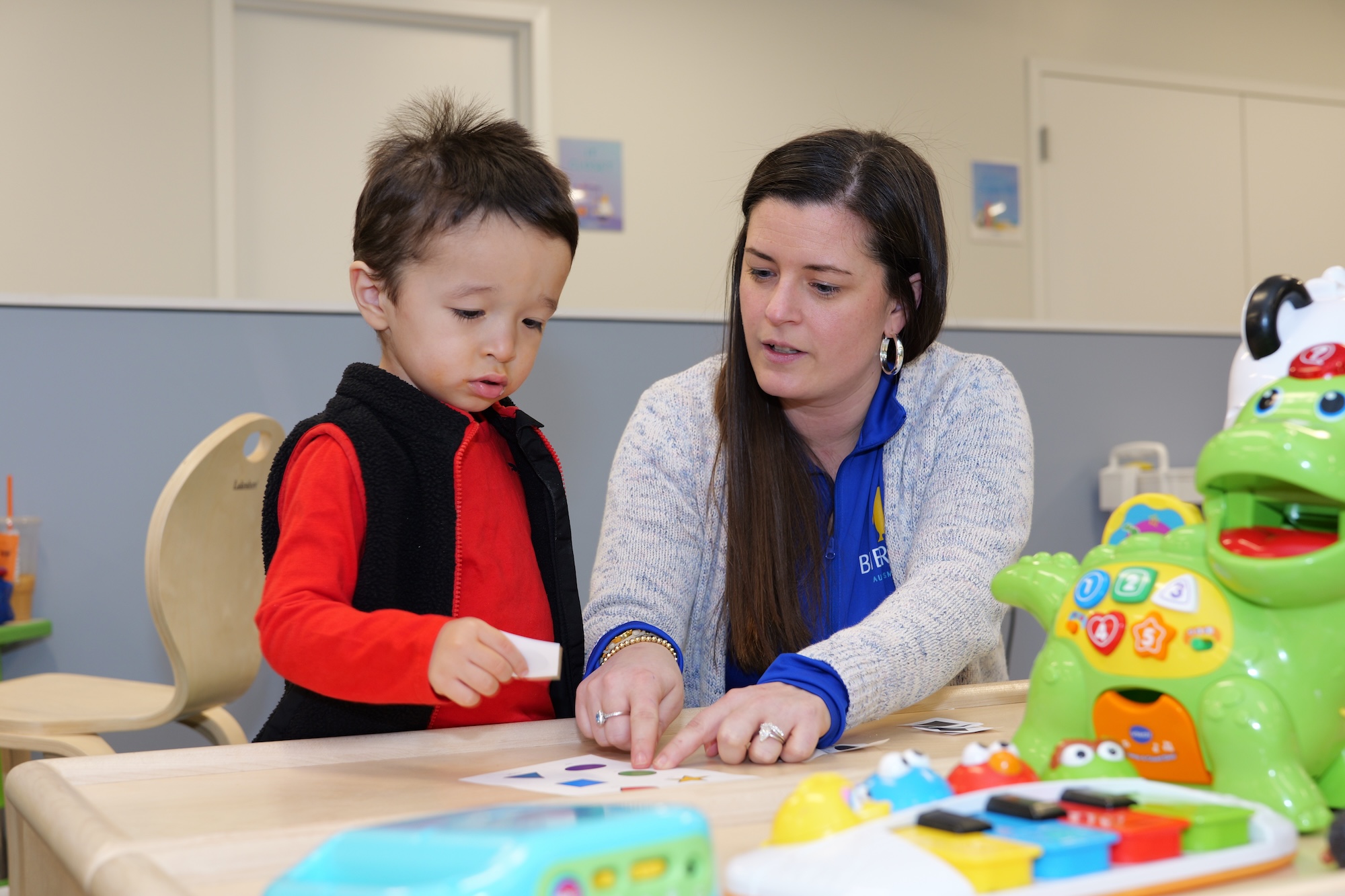
A Bierman clinician guides a young learner through an early matching activity, the kind of foundational skill the new developmental curriculum is designed to sequence in the right order.
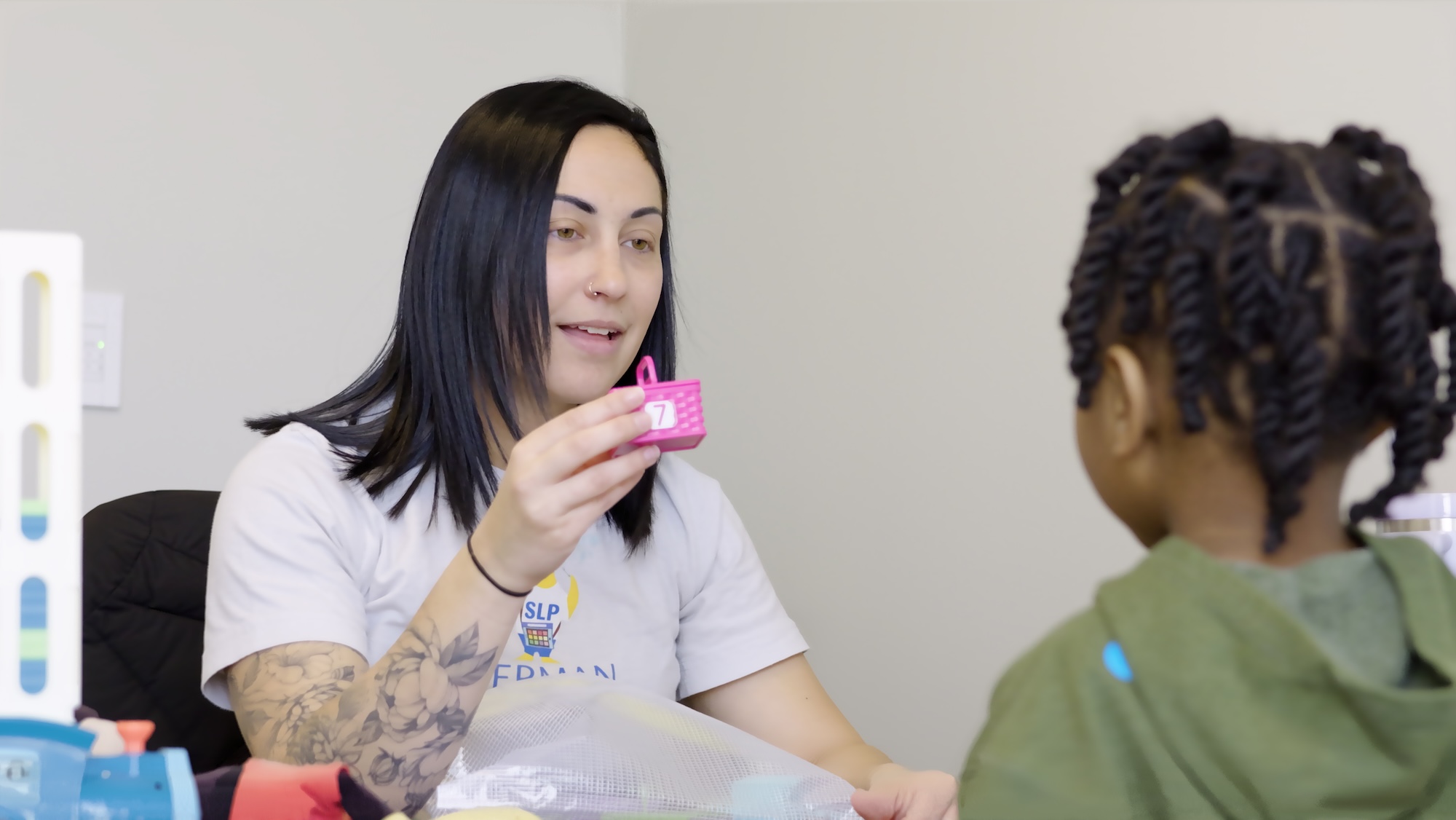
A Bierman speech-language clinician works with a child during a play-based session, building early communication skills one interaction at a time.
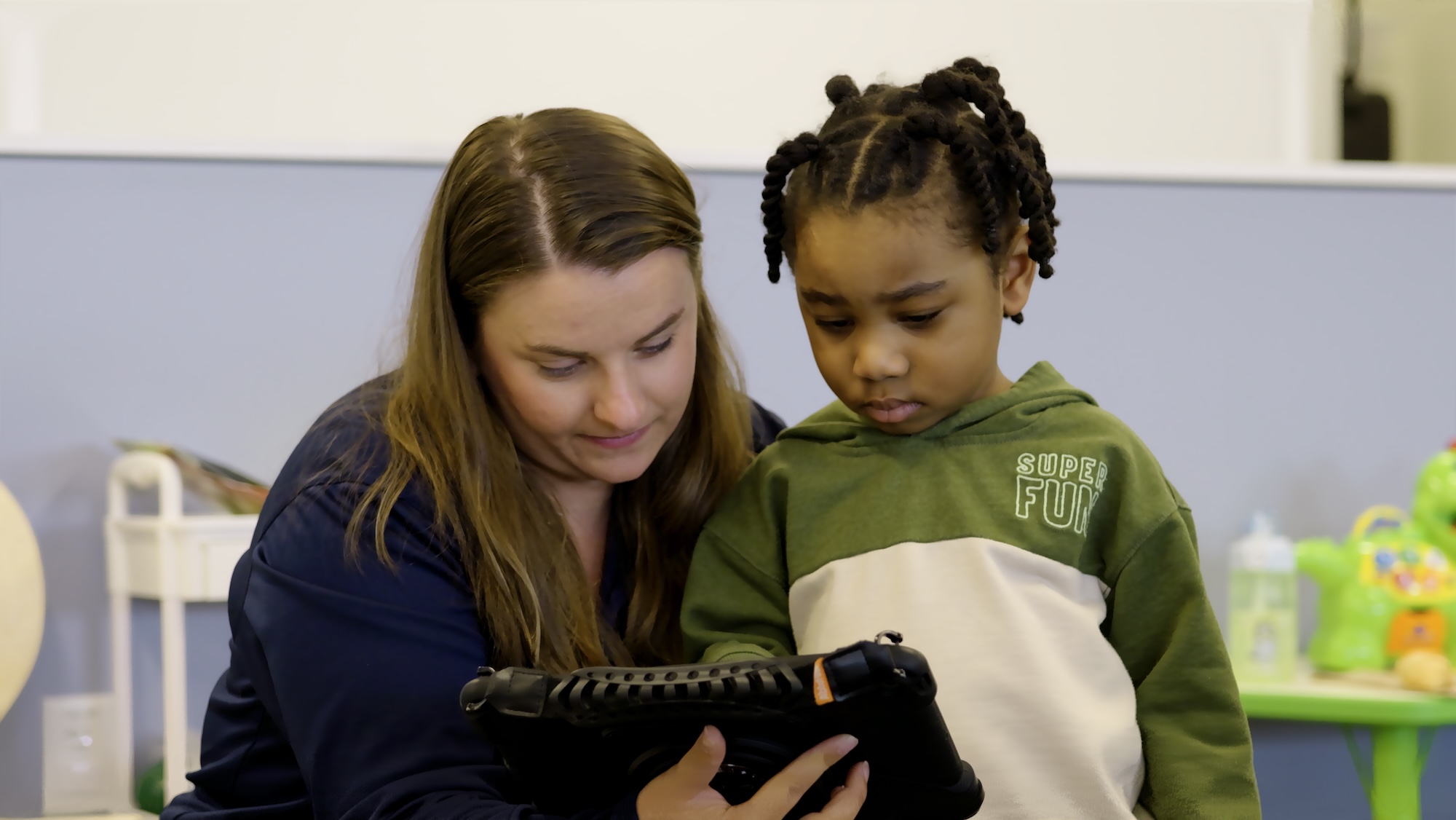
A Bierman clinician and a young learner work together during a therapy session, where everyday moments like this become the data behind PEBBL research.
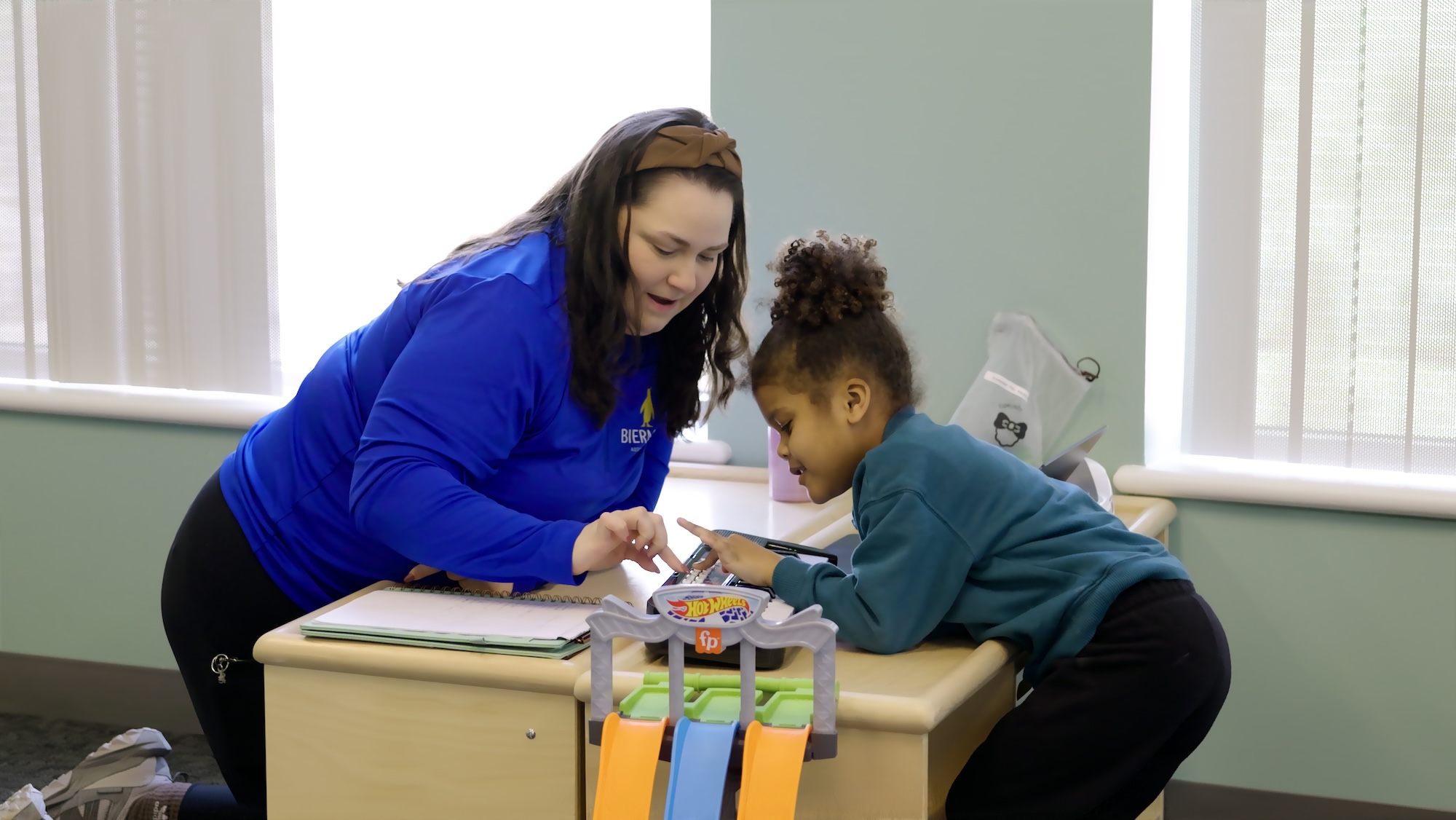
A Bierman clinician works alongside a young learner during a play-based therapy session, the everyday setting where the new developmental curriculum guides what skills come next.
One year in, Bierman's PEBBL program is testing whether its new ABA curriculum helps children learn skills in the right order to drive faster progress.
What we learn in PEBBL doesn't sit in a journal. It flows back into how we practice the next week, and into the standards we believe the field should be holding itself to.”
BOSTON, MA, UNITED STATES, May 21, 2026 /EINPresswire.com/ -- Bierman Autism Centers (BAC), the teaching hospital for pediatric therapy, today marked the completion of year one of PEBBL (Progress through Evidence-Based Behavior Lab), its practice-embedded research program. In its first full year, PEBBL presented research findings through 17 poster presentations at regional and national conferences, opened five active research areas grounded in clinical questions, and built partnerships with universities, alumni, and external clinicians.— Dr. Chrissy Barosky, BCBA-D, Chief Clinical Officer
The ABA therapy provider, which operates 30+ centers across seven states, also announced that PEBBL is now being used to test whether the curriculum's underlying order of skills, the foundation children build on before more complex skills come into reach, holds up when measured in everyday therapy sessions. The curriculum is currently in use across 10 BAC centers in Indiana, Massachusetts, New Jersey, and Rhode Island, where more than 300 children are now learning under the new developmental sequencing framework. Initial validation findings will be presented June 25 and 26 at the New Jersey Association for Behavior Analysis (NJABA) annual conference, held at The Palace at Somerset Park in Somerset, New Jersey, in a 75-minute workshop led by BAC clinicians. The goal of the work is to help children build skills in the right order so that progress comes faster and fewer children get stuck waiting for skills that depend on others they have not yet learned.
For families, this kind of research isn't an academic exercise. It's how care gets better, week over week, in the rooms where therapy actually happens. Most ABA research is conducted in academic labs, separate from the clinical settings where therapy is actually delivered, and the translation from study to practice typically takes years. Bierman built PEBBL to shorten the gap by embedding research directly into everyday therapy sessions. It draws on nearly two decades of BAC clinical data, including more than three million therapy hours and more than one million goals mastered across the network. "When we launched PEBBL, we were making a commitment to learn in public," said Dr. Chrissy Barosky, BCBA-D, Chief Clinical Officer at Bierman Autism Centers. "A year in, we have active studies, findings being shared at national conferences, and partnerships with universities and clinicians who want to build with us. The point isn't research for its own sake. It's closing the gap between what clinicians see in a session today and the measurable gains children make tomorrow. And helping shape what the next standard of ABA care looks like for the field."
Testing how skills build on each other
Most ABA curricula present skills as lists. A child either has a skill or they don't. What those lists often miss is the architecture beneath them: which skills build on each other, in what order, and why. In practical terms, that means two children with similar early profiles can be taught in different orders depending on where they receive care, and progress can stall when a more advanced skill is taught before the smaller building blocks are in place. When practitioners are left to figure that out on their own, sequencing decisions can vary widely across clinicians and centers in ways that are difficult to measure or improve.
BAC’s new developmental curriculum is designed to change how care is delivered every day, not just on conference posters. Built between September 2025 and April 2026 by Dr. Lauren D'Amato, BCBA-D, Vice President of PEBBL, with input from BAC’s Clinical Training Team and Directors of Clinical Excellence, the curriculum covers early learning domains, including imitation, joint attention, early language, intraverbals, and symbolic play, organized so that within each area of development, simpler skills come before more complex ones, while across areas, the curriculum follows the natural priorities of early childhood development.
"Skill lists tell you what to teach. They don't tell you what comes first, or why," said D'Amato. "We're testing whether the prerequisite relationships we believe in actually hold up when measured in everyday sessions, using established research methods adapted to run inside real therapy sessions rather than in a lab. The goal isn't to just publish a curriculum. It's to validate the sequencing decisions practitioners are making thousands of times a week, with or without evidence behind them."
For families, the practical result is fewer guesses about what to teach next. Clinicians using the curriculum can spend less time deciding what comes next and more time teaching, which over the course of a child's care can mean reaching key milestones sooner. Standard measures being tracked include changes in VBMAPP milestone scores, weekly mastered targets per child, and trials to criterion, alongside goal-level metrics captured at each clinical authorization period.
The work will be presented at NJABA 2026 in a workshop titled From Skill Lists to Learning Systems: Designing and Validating a Developmental Scope and Sequence in ABA, co-presented by D'Amato alongside Hillary Genovese, MA, BCBA, Director of Services for New Jersey, and Dr. Victoria Verdun, BCBA-D, Director of Clinical Excellence. Components of the work are also being prepared for submission to peer-reviewed journals.
Year one of PEBBL
In its first full year of operation, PEBBL pursued three primary research areas grounded in clinical practice. The first explored Fluency-Based Instruction as a method for accelerating staff training on Behavior Support Plans, with single-case findings showing improvements in procedural fidelity that are now being replicated across additional staff and clients. The second is the curriculum architecture work being presented at NJABA. The third is an early outcome modeling project examining how nearly two decades of therapy data might inform longer-term outcomes such as graduation and transition to less restrictive settings.
In one early analysis from that modeling project, an AI-supported school-readiness tool matched trained clinician judgment in 89 percent of cases, with even higher agreement in cases where children needed more time in therapy. BAC emphasized that the work is in the replication phase and is not used to make predictions about individual children.
PEBBL findings are also shared monthly through Research Spotlight Webinars, which provide free continuing education credits to BCBAs.
Year two: an expanding research roadmap
In year two, PEBBL is expanding into three new areas of inquiry. The first examines how the intensity of caregiver training relates to skill generalization across home and community settings. The second refines the predictive modeling work across a growing dataset, and the third expands fluency-based training methods beyond Behavior Support Plans into broader staff development applications.
A teaching hospital model, applied to ABA
BAC’s broader clinical model is built around consistent progress measurement and timely clinical decisions, with graduation and transition planning built into care from the start. The curriculum work is intended to give clinicians a clearer roadmap for what to teach when, so children spend more of their therapy time building skills that compound and less of it stuck on the wrong starting point. For families, that means progress they can see sooner and a clearer path toward the goals that matter most: communication, independence, and the ability to transition into less restrictive learning environments. As a teaching hospital for pediatric therapy, BAC sees research, clinical care, and clinician development as a single system, and is committed to building the standard for what consistent, measurable outcomes look like across the field.
"What we learn in PEBBL doesn't sit in a journal," Barosky said. "It flows back into how we practice the next week, and into the standards we believe the field should be holding itself to."
Learn more
The full PEBBL Q2 2026 Research Update, including detailed year-one findings and a preview of year-two priorities, is available at biermanautism.com/pebbl/research-updates/q2-2026. Clinicians, university partners, and graduate students interested in collaboration, research tracks, or the Bierman Rising Clinician Scholarship can learn more at biermanautism.com/pebbl.
About Bierman Autism Centers
Bierman Autism Centers has provided play-based, individualized ABA therapy designed to help children with autism grow and build meaningful life skills, including communication, independence, and self-advocacy. Founded in 2006, BAC is celebrating 20 years of service as a privately held, clinically owned and operated ABA therapy provider.
BAC is outcomes-first by design. Progress is measured consistently so families can see change sooner, and teams can make timely adjustments when something is not working, keeping children moving forward faster and reducing plateaus. BAC operates like a teaching hospital for ABA, with a dual focus on delivering exceptional outcomes for children and developing outstanding clinicians and teachers through mentorship, training, and continuous learning.
Services include ABA therapy, Speech Therapy, Occupational Therapy, and diagnostic evaluations, tailored to each child's unique needs.
BAC has celebrated 375+ successful graduations, and over 60% of graduates transition to general education, general education with support, or an inclusion classroom in about 18-20 months.
Bierman Autism Centers serves families across Arizona, Indiana, Massachusetts, North Carolina, New Jersey, Ohio, and Rhode Island. To learn more about BAC's approach and how it is creating progress and possibilities® for children, families, and clinicians, visit www.biermanautism.com.
Anna Leigh Navarro
Bierman Autism Centers
+1 800-931-8113
email us here
Visit us on social media:
LinkedIn
Instagram
Facebook
YouTube
TikTok
X
Legal Disclaimer:
EIN Presswire provides this news content "as is" without warranty of any kind. We do not accept any responsibility or liability for the accuracy, content, images, videos, licenses, completeness, legality, or reliability of the information contained in this article. If you have any complaints or copyright issues related to this article, kindly contact the author above.
